Our History
The region has a rich history, with evidence of human habitation dating back to ancient times, as indicated by ceramic artifacts discovered from the Bronze Age during excavations of the area. Subsequently, the region saw settlement by both Etruscans and Romans, further enriching its cultural heritage.
Nestled in a picturesque valley between Monteferrato and the initial peaks of the Apennine mountains lies the village of Figline. Its origins trace back to medieval times, circa 1000 AD, when defensive walls were erected around its perimeter.
Notably, the presence of the church dedicated to St. Peter, documented as early as 1183, signifies the village’s significance as a centre of community and faith. Throughout its history, Figline gained renown for its distinctive local industries. The production of bricks thrived, facilitated by numerous kilns scattered across the area. Additionally, the region’s extraction of “Serpentino” green marble from the nearby slopes became synonymous with Figline’s economic activity and cultural identity. These industries not only sustained the village’s economy but also contributed to its unique character and heritage.
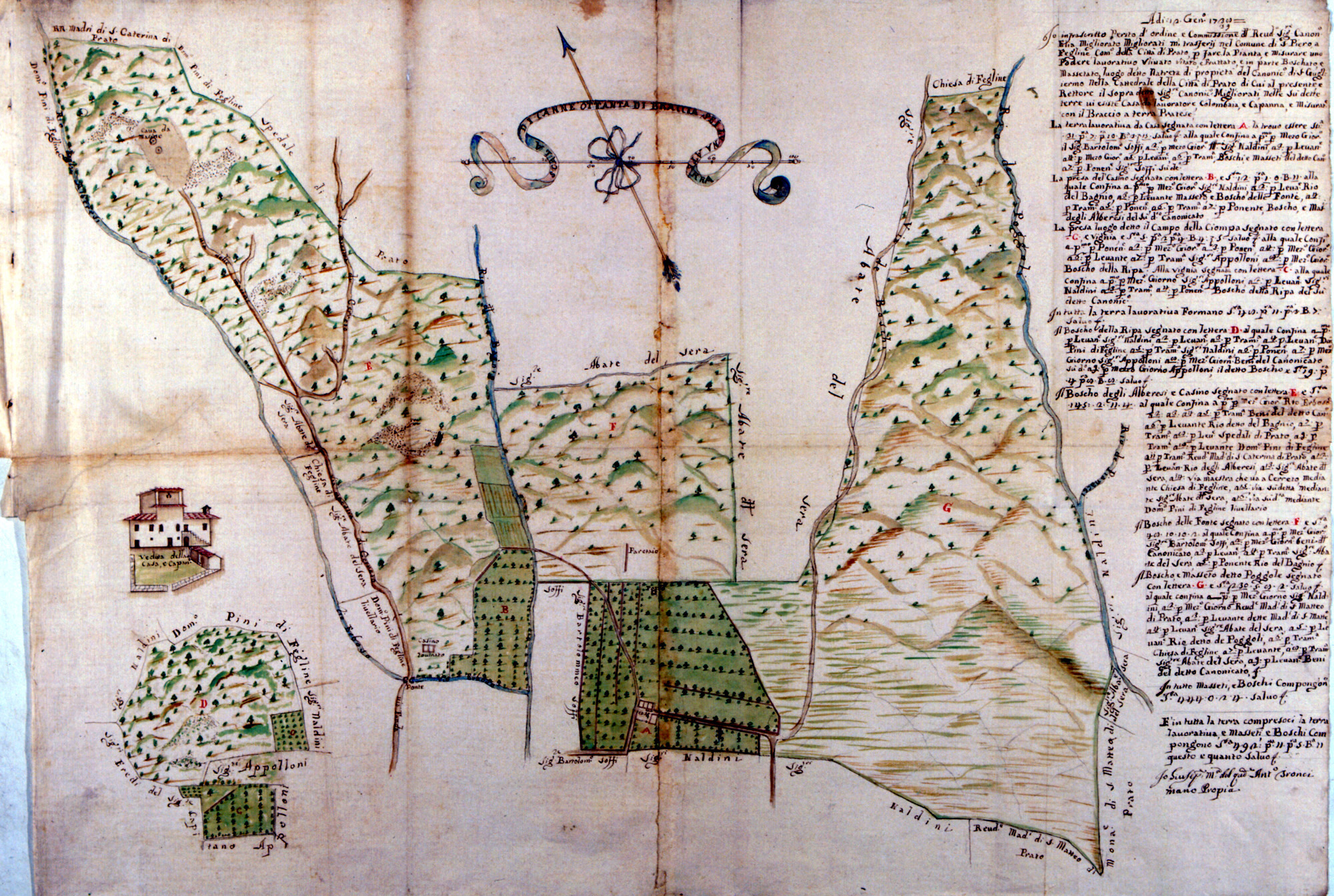
The Serpentino became a material of choice for all major churches throughout Tuscany during the Renaissance. Renowned figures such as Dante frequented Figline, while Michelangelo and Donatello owned residences in the village, utilising them as spaces to select their preferred pieces of stone for their sculptures. The historical narrative of the villa begins in 1248, a pivotal year marked by the defeat of the ‘Guelfi’ faction in Florence, loyal to the pope, by the faction loyal to the emperor. Forced into exile, the Guelfi sought refuge on the outskirts of Prato, where they constructed the main villa across the street and this one, which served as the residence for guards.
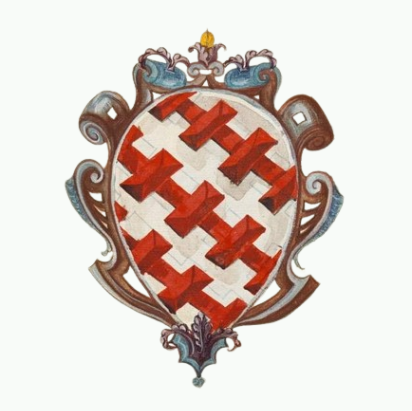
Subsequently, following the victory of the Guelfi, both properties transitioned into the possession of the Salviati family, a prominent Florentine noble lineage with close affiliations to the Medici family and the papacy. Over time, the Salviati family also acquired ownership of the Serpentino quarry, further solidifying their influence in the region. For three centuries, the villa and its accompanying house remained under the stewardship of the Salviati family until transitioning into the hands of other notable noble families native to the area.